Homeowner’s Guide to Drain Cleaning: Prevention, DIY, and When to Call a Pro
Drains don’t get much attention—until they stop working. One day, everything’s flowing. The next, water refuses to budge, and you’re staring at a stubborn pool in your sink or tub, wondering what went wrong. For homeowners, a clogged drain can feel like a ticking clock. Ignore it, and you risk water damage, foul odors, or even a plumbing emergency in the middle of the night.
At Fergusons Plumbing, we know that regular drain care saves headaches and money. Let’s break down how clogs form, what safe steps you can take at home, and when it’s time to call for emergency plumbing help.
What Causes Drain Clogs? 🕳️
Even careful homeowners face clogged drains. Most blockages start with little things—tiny habits that add up over time.
- Hair: Shower and bathroom sink drains collect hair, which tangles with soap and forms sticky clumps.
- Grease & Oil: Pouring fats down the kitchen sink? Grease solidifies as it cools, sticking to pipe walls like cholesterol in arteries.
- Soap Scum: Some soaps react with minerals in water, creating a residue that narrows pipes.
- Food Waste: Even with a garbage disposal, fibrous or starchy foods (like potato peels or coffee grounds) can jam things up.
- Foreign Objects: Kids’ toys, dental floss, cotton swabs, and hygiene products don’t break down and snag easily.
Think of your drains like highways. A single fender bender (hairball, grease glob) slows things down—enough of them, and you’ve got gridlock.
Prevention: Small Steps, Big Results
- Use hair catchers in showers and tubs.
- Collect cooking grease in a container and toss it in the trash.
- Scrape plates before rinsing.
- Only flush toilet paper—nothing else.
- Run hot water after each use to help clear soap residue.
A few habits now keep your pipes clear later.
Safe DIY Drain Cleaning Methods
Sometimes, you can fix a slow drain yourself—no need to reach for harsh chemicals or panic.
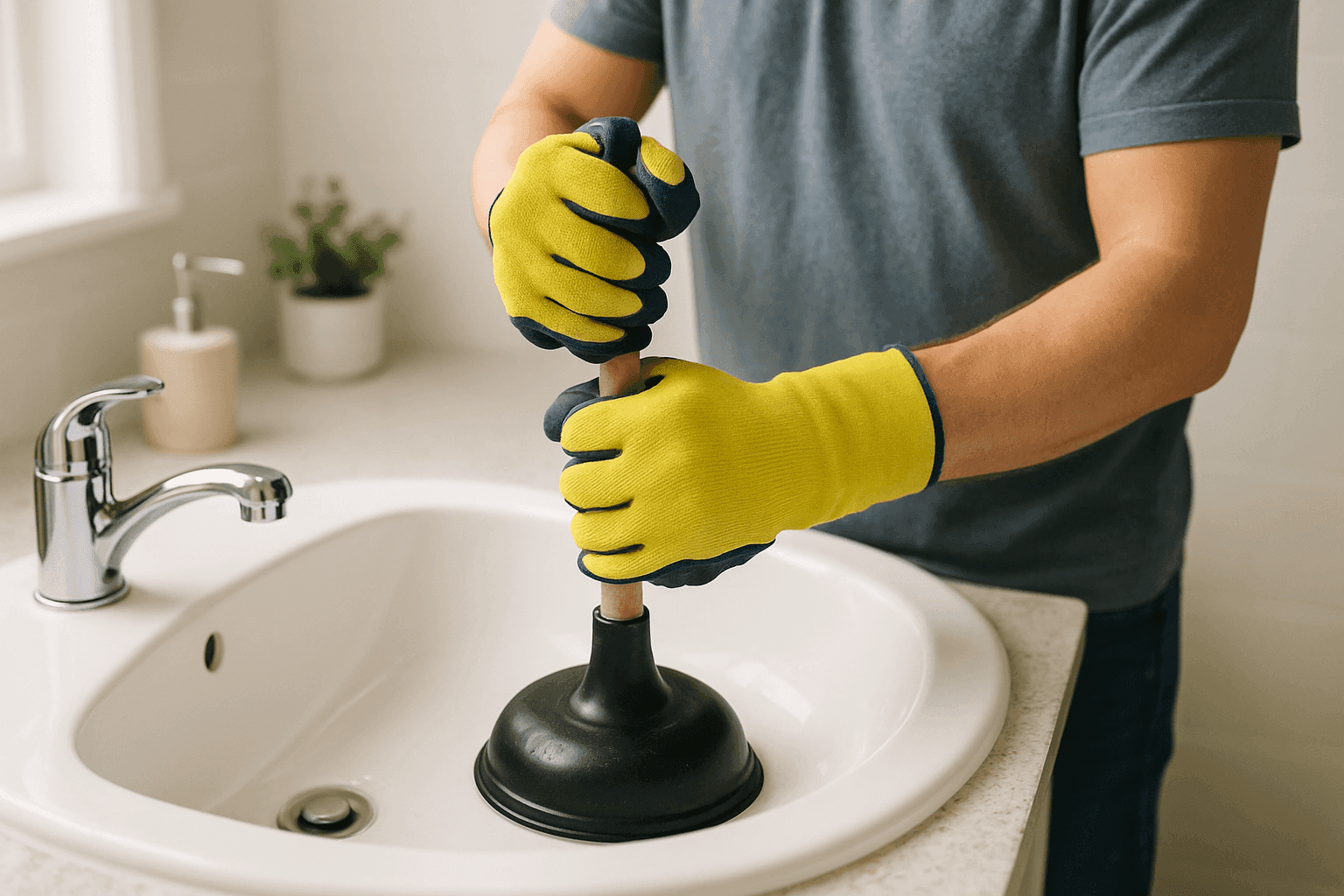
Plunger: The Classic Fix
A plunger works by creating suction and pressure, pushing minor clogs back and forth until they break up.
How to use:
- Cover the overflow hole (if present) with a wet rag.
- Place the plunger over the drain and press down gently to seal.
- Pump up and down for 20–30 seconds.
- Test with water—repeat if needed.
Baking Soda & Vinegar
This old trick is gentle on pipes and the environment.
Steps:
- Pour half a cup of baking soda down the drain.
- Add one cup of white vinegar.
- Let it fizz for 10–15 minutes.
- Flush with hot (not boiling) water.
It won’t clear every clog, but it helps loosen debris and freshens drains.
Drain Snake (Auger)
Handheld drain snakes are like fishing lines for clogs.
- Feed the coil gently into the drain.
- Twist and push until you feel resistance.
- Rotate and pull back slowly, removing hair or gunk.
Tip: Wear gloves and keep a bucket handy for debris.
What to Avoid: Drain Cleaning Mistakes 🚫
When drains slow down, it’s tempting to grab a bottle of chemical cleaner. But quick fixes can backfire.
Why Chemical Cleaners Are Risky
- Corrosive: Many contain lye or acid, which can eat away at metal or PVC pipes, especially with repeated use.
- Dangerous Fumes: Mixing cleaners or using them in unventilated spaces can release toxic gases.
- Bad for Environment: Residue often ends up in local waterways, harming fish and plants.
According to the Plumbing-Heating-Cooling Contractors Association, mechanical removal (plungers, snakes) is safer for your system.
Other Mistakes to Avoid
- Forcing Foreign Objects: Jamming sticks, wires, or hangers into drains can scratch pipes or push clogs deeper.
- Ignoring Warning Signs: Recurring clogs may signal pipe damage or tree root invasion.
- Using Boiling Water on PVC: For kitchen sinks, hot—not boiling—water is safest, as boiling water can warp plastic pipes.
Signs You Need a Professional
Not every clog is a DIY project. Here’s when to put down the plunger and call Fergusons Plumbing for emergency plumbing help:
- Multiple Fixtures Affected: If sinks, tubs, and toilets clog at once, the main line could be blocked.
- Water Backing Up: Sewage or dirty water coming up drains means a serious issue—don’t wait.
- Slow Drains Everywhere: System-wide slow drainage points to a bigger problem than a simple hairball.
- Frequent Clogs: If you’re clearing the same drain every month, there could be pipe damage or buildup.
- Unpleasant Odors: Persistent sewer smells mean a deeper blockage or a cracked pipe.
Sometimes, what looks like a stubborn clog signals a much bigger problem underground.
Eco-Friendly Professional Solutions 🌱
At Fergusons Plumbing, we use camera inspections and hydro-jetting—high-pressure water that clears pipes without harsh chemicals. This keeps your plumbing (and the planet) safe.
Plumber’s Tips for Prevention
- Install mesh screens or hair traps in all drains.
- Run cold water while using the garbage disposal.
- Avoid flushing wipes—even those labeled “flushable.”
- Schedule annual drain inspections, especially in older homes.
- Educate family members: what goes down the drain matters.
Regular maintenance means fewer surprises and less need for emergency plumbing.
FAQ: Drain Cleaning and Maintenance
Q: How often should I clean my drains?
A: Once a month for kitchen and bathroom drains is a good rule of thumb. Preventative cleaning stops buildup before it starts.
Q: Is it safe to use baking soda and vinegar often?
A: Yes—these are gentle, natural cleaners safe for most pipes. They won’t damage plumbing like chemical cleaners.
Q: When is a clog an emergency?
A: If water is backing up into your home, or you smell sewage, call for emergency plumbing immediately.
Local & Seasonal Considerations
- In colder months, pipes contract—grease hardens faster and blockages form more easily.
- Tree roots seek moisture in spring, sometimes invading underground lines.
- After heavy rain, watch for slow drains—this can mean outside sewer line trouble.
If you’re moving into an older home, consider a professional Pipe Installation near you to update aging plumbing and prevent future clogs.
If your drains are acting up—or you just want peace of mind—help is always nearby.
Call Fergusons Plumbing now — or reach us anytime at 844-493-8438 .