Garbage Disposal Not Working? Troubleshooting and Repair Tips
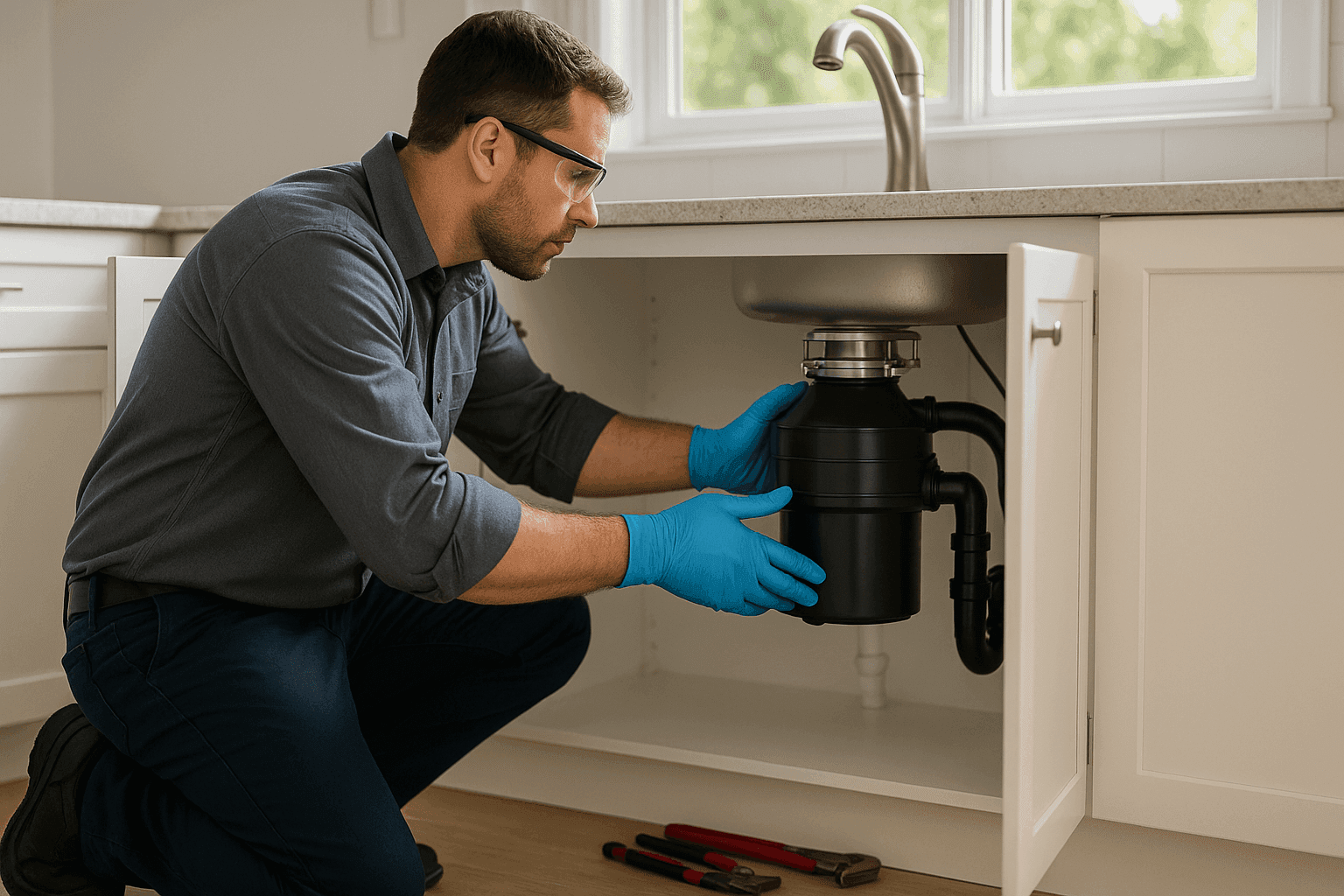
Is your garbage disposal suddenly silent? Or maybe it’s making a strange grinding sound that sends a shiver down your spine? These moments can turn a simple dinner cleanup into a kitchen crisis. At Fergusons Plumbing, we know how quickly a small plumbing hiccup can feel like a full-blown emergency—especially when you rely on your disposal to keep the sink clear and your day running smoothly.
Plumbing issues always seem to strike at the worst moments. But take a breath. Many disposal problems are fixable with a few safe steps. Others mean it’s time to call for emergency plumbing help. Here’s how to tell the difference—and what you can do right now.
Why Disposals Stop Working 🚦
Garbage disposals are like the unsung heroes of your kitchen. But even heroes need a break. Here’s why yours might be acting up:
- Jams: Sometimes, a rogue spoon, fibrous veggie peel, or egg shell gets stuck. The blades can’t turn, and suddenly, your disposal is silent or humming.
- Overloads: Too much food or a heavy load can trip the safety switch. It's the disposal's way of crying "uncle."
- Electrical/Wiring Issues: Faulty wiring, dead wall switches, or worn-out motors leave your disposal completely lifeless.
- Worn Parts: Years of grinding can cause blades and seals to wear out, leading to leaks or poor performance.
Think of your garbage disposal like a blender with a tough job. When it’s overworked or jammed, it shuts down for safety—sometimes with just a click and a whimper.
Safe Troubleshooting Steps
Before you reach for tools or stick your hand anywhere near the disposal, stop. Safety comes first. Here’s what you can do—no plumber’s license required.
1. Unplug or Switch Off Power
- Always turn off the unit at the wall switch.
- For extra safety, unplug the disposal under the sink or cut power at the breaker.
2. Press the Reset Button
- Look under the unit for a red or black reset button.
- If it’s popped out, press it once. Sometimes, that’s all it takes.
3. Manual Rotation
- With the power still OFF, use a wooden spoon or the disposal’s included hex wrench to gently turn the blades from underneath.
- Never use your hand inside the disposal.
4. Check for Obstructions
- Look inside with a flashlight.
- If you spot an object, remove it using tongs or pliers—never fingers.
5. Test the Wall Switch
- Once clear, restore power and flip the switch.
- If it hums but doesn’t spin, it’s likely still jammed.
- If there’s no noise at all, you may have a wiring or switch issue.
Tip from Fergusons: If the disposal trips the circuit breaker repeatedly, something deeper is wrong. Time to call in a professional.
Signs It’s Time for a Pro 🛠️
Some issues are best left to those with the right tools—and the right insurance. Watch for these red flags:
- Persistent Leaks: Water pooling under the sink, especially near the disposal or pipes.
- Constant Jams: If jams happen weekly, it’s usually more than just bad luck.
- Strange Noises: Grinding, screeching, or metallic clanks often mean a broken part inside.
- Frequent Resets: If you have to reset the disposal every time you use it, the motor may be failing.
- No Power At All: If the outlet works but the disposal is dead, it could mean wiring or internal failure—both require a licensed plumber or electrician.
Remember, water and electricity don’t mix. If you spot exposed wires, moisture near outlets, or smell burning, shut off power at the breaker and call Fergusons Plumbing immediately.
Preventing Future Issues
A little care goes a long way. Here’s how to keep your disposal humming, not jamming:
- Go Easy on Fibrous Foods: Avoid celery, corn husks, onion skins, and banana peels—they tangle blades.
- No Grease or Fats: Pouring fats down the disposal causes clogs, both in the unit and further down the pipes.
- Feed Slowly: Add scraps in small amounts, running cold water as you go.
- Run Water Before and After: Let cold water run for 20–30 seconds before and after use. It helps flush leftovers down the line.
- Freshen Up: Toss in a few ice cubes and a slice of citrus peel monthly to clean and freshen the blades.
Check your owner’s manual and follow any special maintenance tips. The International Association of Plumbing and Mechanical Officials (IAPMO) recommends regular checks for leaks and loose connections under the sink.
Fergusons’ Safety-First Repairs and Install Options 🧰
When DIY stops working, Fergusons Plumbing steps in. Our licensed plumbers handle everything from quick repairs to complete garbage disposal replacement. We put safety first—always following local code and manufacturer guidelines.
- We thoroughly inspect wiring, seals, and connections.
- Only certified parts and tools are used.
- We keep your kitchen clean, and your family safe.
If you’re considering a new unit, ask Fergusons about disposal models that fit your kitchen and your needs. We also handle pipe installation near you, emergency plumbing, and any kitchen plumbing upgrades.
Readers Learn Safe Troubleshooting, When to DIY, and When to Call
So, what have we covered?
- Safe, step-by-step troubleshooting you can try on your own.
- Clear warning signs that signal it’s time for a professional.
- Tips for keeping your disposal running smoothly, year-round.
If your disposal is still giving you trouble—or if you spot leaks, hear odd noises, or smell something burning—don’t risk a bigger mess. Emergency plumbing help is just a call away.
FAQ
Why does my garbage disposal make a loud humming noise but not spin?
Usually, that means it’s jammed. The motor is trying to turn, but something’s stuck. Unplug it, use a hex wrench underneath, and never use your hand inside the unit.
Is it safe to use chemical drain cleaners in my disposal?
No. Chemical cleaners can damage the disposal’s internal parts and pipes. Stick to manual clearing or call Fergusons Plumbing for safe, effective solutions.
What foods should I never put down the disposal?
Avoid hard items (bones, fruit pits), fibrous foods (celery, corn husks), and grease or oil. These can cause jams or blockages.
How often should I check for leaks?
Check under your sink for drips or puddles monthly. Early leak detection can prevent water damage. The Uniform Plumbing Code suggests regular inspections for all under-sink plumbing.
Local/Seasonal Considerations
If you live in a cold climate, pipes and disposals can freeze—especially in rarely used kitchens or vacation homes. Run the disposal regularly in winter and keep the cabinet under the sink slightly open during deep freezes to let warm air circulate.
During holiday cooking binges, go slow. Overloading the disposal is a common cause of jams when you have guests or cook big meals.
Kitchen plumbing problems shouldn’t ruin your day. For safe, reliable repairs and new garbage disposal installation, Call Fergusons Plumbing now — or reach us anytime at 844-493-8438 .