How to Maintain Your Home Plumbing System Year-Round
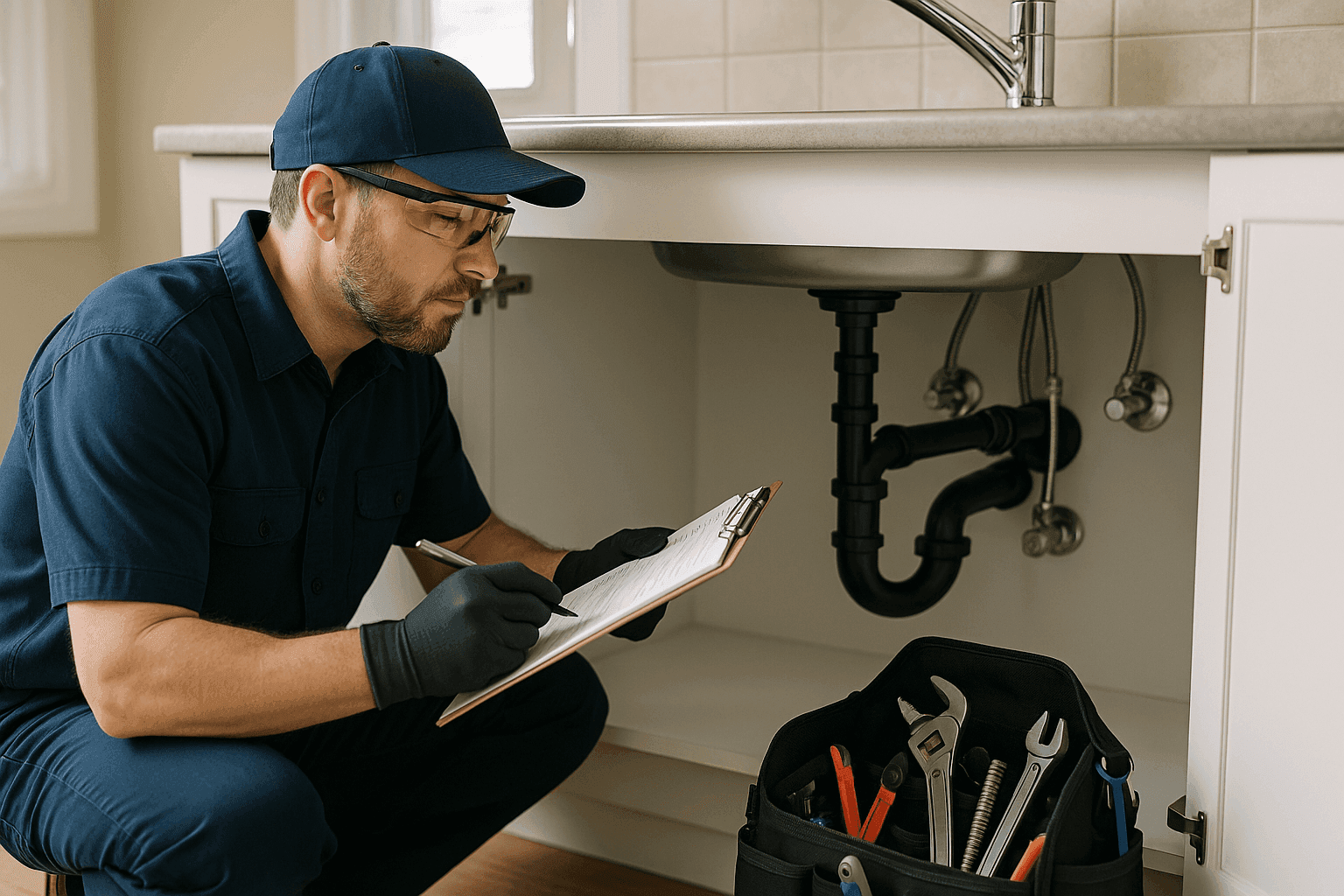
Plumbing doesn’t wait for a convenient moment to fail. Burst pipes, silent leaks, and stubborn clogs can sneak up on anyone—homeowners and small business owners alike. The good news? With a little routine care, you can sidestep most disasters and keep your water flowing clear and strong.
At Fergusons Plumbing, we’ve seen how regular maintenance can save you from unexpected emergencies. Our team helps people just like you keep their plumbing in peak shape, so you can focus on what matters most—without worrying about water woes.
Seasonal Plumbing Care 🚿
Plumbing is a bit like a garden. It needs different attention as the seasons change. Ignoring those shifts can lead to frozen pipes in winter or overworked systems in summer.
Winterizing Your Pipes
Cold weather and pipes don’t mix well. Water expands as it freezes, and that can spell trouble. Here’s what you can do:
- Insulate exposed pipes: Wrap pipes in unheated spaces with foam sleeves or insulating tape.
- Let faucets drip: On the coldest nights, a slow trickle keeps water moving and less likely to freeze.
- Seal gaps: Cold air sneaks through cracks near pipes. Seal them up to keep the chill out.
- Disconnect hoses: Remove garden hoses and shut off outdoor valves.
A burst pipe can dump gallons of water in minutes. The Insurance Institute for Business & Home Safety notes that a single burst can cause thousands in damage. Prevention is always easier than cleanup.
Spring and Summer Checks
As temperatures climb, your plumbing faces new challenges:
- Check for leaks: Look under sinks, around toilets, and near water heaters for signs of drips.
- Test water pressure: If it’s weak, you might have a hidden leak or buildup.
- Clean gutters and downspouts: Prevent water from pooling near your foundation.
- Inspect sump pumps: Heavy rains can overwhelm a faulty pump.
Regular checks mean you catch small problems before they spiral.
Routine Inspections
Think of plumbing like the circulatory system of your home or business. A blockage or leak anywhere can affect everything.
Leak Detection
Leaks don’t always announce themselves. Sometimes, it’s a faint musty smell or a soft spot on the wall. Here’s how to spot trouble early:
- Monitor your water bill: A sudden spike with no clear reason often signals a leak.
- Listen: Hissing, dripping, or running water sounds behind walls are red flags.
- Check for stains: Water stains on ceilings or walls mean water is wandering where it shouldn’t.
- Use food coloring: Put a few drops in the toilet tank. If color appears in the bowl without flushing, you’ve got a leak.
The Environmental Protection Agency estimates that household leaks waste nearly a trillion gallons of water each year. Early detection is key.
Water Pressure Monitoring
Consistent pressure is a sign of healthy pipes. Too high, and you risk damage; too low, and daily tasks become a chore.
- Test with a gauge: Attach it to an outdoor spigot. Normal pressure is between 40–60 psi.
- Look for changes: Sudden drops or surges could mean a problem in the main line or a failing pressure regulator.
If you notice issues, it’s time to investigate further or call in a pro.
Preventative Actions
An ounce of prevention is worth a pound of cure. Simple habits can keep your plumbing humming along.
Drain Cleaning
Drains are like arteries—keep them clear, and everything flows. Let them clog, and you’re in for trouble.
- Use strainers: Catch hair and debris before they go down the drain.
- Avoid grease: Pouring fats down the sink is a recipe for clogs.
- Flush with hot water: Once a week, run hot (not boiling) water down drains to clear buildup.
- Try baking soda and vinegar: This fizzy combo can break up minor gunk.
Skip harsh chemicals. They can eat away at your pipes over time.
Backflow Prevention
Backflow is when dirty water reverses direction and enters your clean supply. It’s not just gross—it’s dangerous.
- Install backflow prevention devices: These keep water moving the right way.
- Schedule regular testing: Many building codes require annual backflow testing for safety.
Check with local plumbing codes or the International Plumbing Code for guidance on backflow requirements.
Emergency Preparedness 🛠️
Even with the best care, emergencies can happen. A little preparation can turn panic into action.
What to Do Before Help Arrives
- Know your shut-off valves: Find the main water valve and learn how to turn it off.
- Keep emergency contacts handy: Save Fergusons Plumbing’s number in your phone.
- Contain leaks: Use buckets or towels to catch water and minimize damage.
- Turn off appliances: If water is near electrical outlets or appliances, cut the power at the breaker.
Quick action can make a world of difference.
When to Call for Emergency Plumbing
Some issues can’t wait:
- Burst pipes
- Major leaks
- Sewage backups
- No water at all
- Gas line problems
If you’re unsure, it’s better to call. Waiting can make things worse.
Practical Monthly and Seasonal Steps
Consistency is your friend. Here’s a quick checklist:
- Monthly: Check under sinks for leaks, test water pressure, clear slow drains.
- Seasonally: Inspect outdoor faucets, clean gutters, test sump pumps, and check insulation.
- Annually: Schedule professional inspections, test backflow devices, flush your water heater.
These habits help you spot trouble early and keep repairs manageable.
Common Plumbing Issues Avoided Through Maintenance
Routine care can help you avoid:
- Clogged drains and toilets
- Hidden leaks and water damage
- Low water pressure
- Corroded pipes
- Water heater failures
- Backflow contamination
A little attention now can save you from headaches later.
When to Call a Professional
Some jobs are DIY-friendly, but others need a licensed plumber. Call Fergusons Plumbing if you notice:
- Persistent leaks you can’t trace
- Water pressure that won’t stabilize
- Recurring clogs or slow drains
- Odd smells from drains or fixtures
- Unusual sounds in your pipes
Our team is trained to diagnose and fix complex issues safely and efficiently.
Costs & Time Factors
Plumbing maintenance is an investment. While some tasks are quick and inexpensive, others—like replacing old pipes or fixing major leaks—take more time and resources.
- Simple tasks: Checking for leaks, cleaning drains, and inspecting fixtures can take just minutes.
- Complex repairs: Pipe replacements, sewer line repairs, or water heater installations may require several hours or more, depending on the scope.
- Professional inspections: Annual checkups usually take 1–2 hours.
Catching problems early often means lower repair costs and less disruption to your day.
Frequently Asked Questions
How often should I check for leaks?
Check under sinks and around fixtures monthly. Watch your water bill for unexpected changes.
What’s the best way to prevent clogged drains?
Use strainers, avoid pouring grease down the sink, and flush drains with hot water weekly.
Can I fix low water pressure myself?
Sometimes. Clean faucet aerators and check for visible leaks. If pressure stays low, call a professional.
Do I need annual plumbing inspections?
Yes. Annual inspections help catch hidden issues and keep your system running efficiently.
Special Considerations for Home and Small Business Plumbing
Home plumbing and small business systems share many challenges, but businesses often have higher usage and more complex setups. Consider:
- Regular backflow testing: Especially important for businesses serving food or healthcare.
- Preventative maintenance schedules: More frequent checks may be needed in high-use environments.
- Gas safety checks: If you have gas appliances, schedule routine inspections for peace of mind.
Following recommended guidelines from the International Association of Plumbing and Mechanical Officials (IAPMO) and local codes helps ensure safety and compliance.
Taking care of your plumbing isn’t just about avoiding emergencies—it’s about protecting your investment and your peace of mind. If you’re ever unsure or spot something unusual, don’t wait.
Call Fergusons Plumbing now — or reach us anytime at 844-493-8438 .