How to Prepare Your Plumbing for Seasonal Storms and Freezes
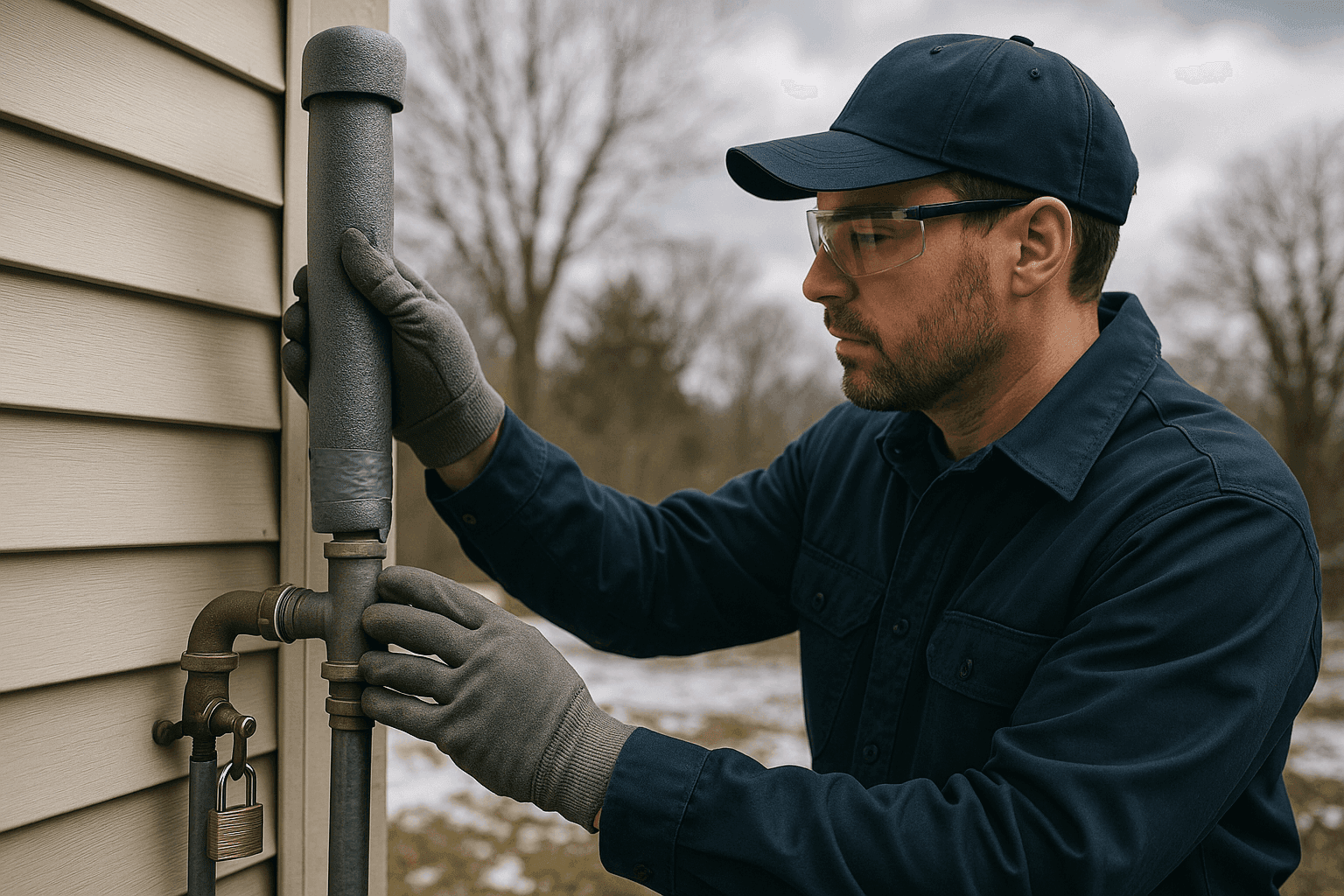
When the forecast turns nasty, plumbing can go from out-of-sight, out-of-mind to front and center in a hurry. A burst pipe or backed-up drain in the middle of a storm is more than an inconvenience—it’s a major disruption. At Fergusons Plumbing, we’ve seen firsthand how quickly weather can turn a small problem into an emergency.
Let’s walk through the steps you can take to shield your plumbing from the worst of seasonal storms and freezing temperatures. A little preparation now can save you stress, money, and headaches down the line.
Understanding Seasonal Plumbing Risks 🌧️
Storms and freezes are like uninvited guests—when they show up, they can leave a mess behind. Plumbing systems are especially vulnerable because they’re often tucked away, quietly doing their job until something goes wrong.
How Storms Affect Plumbing:
- Heavy rain can flood basements, overwhelm sump pumps, and back up sewer lines.
- High winds may knock out power, leaving pumps and heaters offline.
- Debris can clog gutters and drains, pushing water where it shouldn’t go.
How Freezing Temperatures Cause Trouble:
- Water expands as it freezes. Pipes, especially those in unheated spaces, can crack or burst under pressure.
- Frozen outdoor faucets and hoses can lead to leaks inside the walls.
- Water heaters and boilers work overtime, increasing the risk of breakdowns.
According to the International Plumbing Code and the American Red Cross, frozen pipes are one of the most common causes of property damage during winter months, and storm-driven flooding is a leading source of plumbing emergencies.
Step-by-Step Preparation Checklist
Getting your plumbing ready for harsh weather isn’t complicated, but it does require a little elbow grease and attention to detail. Here’s your preparation checklist:
- Insulate Exposed Pipes: Use foam sleeves or wrap insulation on pipes in attics, crawl spaces, basements, and along exterior walls.
- Check Shutoff Valves: Make sure you know where your main water shutoff is and that it turns easily. Test all secondary shutoffs (toilets, sinks, appliances).
- Sump Pump Readiness: Test your sump pump by pouring water into the pit and checking that it activates. Clean out any debris from the pit and discharge line.
- Outdoor Faucet Protection: Disconnect hoses, drain outdoor faucets, and install insulated covers.
- Clear Gutters and Downspouts: Remove leaves and debris so water flows away from your foundation.
- Seal Gaps: Fill cracks around pipes entering your home to keep cold air out.
- Water Heater Check: Inspect for leaks, flush sediment, and set the temperature to at least 120°F to prevent freezing.
These steps are simple, but they create a strong defense against the most common plumbing disasters.
Preventing Frozen Pipes
Frozen pipes are like ticking time bombs. Here’s how to keep them from going off:
- Wrap and Insulate: Use pipe insulation or heat tape on vulnerable pipes. Focus on garages, basements, crawl spaces, and exterior walls.
- Keep a Drip: Let faucets drip slowly during extreme cold. A trickle of water can prevent a freeze by keeping water moving.
- Open Cabinets: Leave cabinet doors under sinks open to let warm air circulate around the pipes.
- Monitor Temperatures: Use a thermometer in unheated spaces. If temps dip near freezing, take extra precautions.
- Shut Off and Drain: If you’ll be away, shut off the main water supply and drain the system.
The Insurance Institute for Business & Home Safety recommends these steps to avoid costly pipe bursts and water damage.
Emergency Plumbing Preparedness
Sometimes, despite your best efforts, things go sideways. Here’s what to do if you suspect plumbing damage during a storm or freeze:
- Know Your Shutoff: Immediately turn off the main water supply if you see or hear water where it shouldn’t be.
- Turn Off Electricity: If water is near electrical outlets or appliances, shut off power at the breaker.
- Contain Leaks: Use buckets, towels, or tarps to contain water and prevent further damage.
- Document Everything: Take photos for insurance purposes.
- Call for Help: If you can’t stop the leak or the problem is beyond your tools, call Fergusons Plumbing for emergency plumbing assistance.
Remember, time is critical. Quick action can make a world of difference.
Seasonal Maintenance Tips 🛠️
Routine inspections and preventative maintenance are like regular tune-ups for your car—they keep things running smoothly and help you spot problems before they snowball.
- Schedule Annual Plumbing Inspections: A professional can spot hidden leaks, corrosion, and weak points in your system.
- Test Backflow Prevention Devices: Ensure your drinking water stays clean and safe.
- Flush Water Heaters: Remove sediment buildup to improve efficiency and lifespan.
- Inspect Sump Pumps and Drains: Make sure everything is clear and operational before the next storm hits.
- Check Water Pressure: High or low pressure can signal hidden leaks or failing valves.
The National Association of Home Builders recommends annual plumbing checks as part of every home maintenance plan.
Costs and Time Factors
How much time and money should you expect to spend on seasonal plumbing prep? Here’s what to keep in mind:
- DIY Insulation: Materials for pipe insulation are affordable and can be installed in a few hours.
- Professional Inspections: Routine plumbing checks typically take 1–2 hours, depending on your home’s size and system complexity.
- Emergency Repairs: Costs and repair times vary widely based on the extent of the damage and the type of plumbing involved.
- Preventative Maintenance: Investing a little up front can save thousands in emergency plumbing bills down the road.
Think of it like paying for an umbrella before the storm rather than a new roof after.
When It’s an Emergency
Some situations can’t wait. Here’s when to call for emergency plumbing help:
- Burst Pipes: Water gushing or spraying from a pipe.
- Sewer Backups: Foul smells, slow drains, or water backing up into sinks, tubs, or toilets.
- No Water: Complete loss of water pressure or flow.
- Gas Leaks: Hissing sounds, rotten egg odors, or bubbles in standing water near gas lines.
If you’re ever unsure, it’s better to call and ask than to wait and risk more damage.
Frequently Asked Questions
How do I know if my pipes are at risk of freezing?
Pipes in unheated areas, exterior walls, attics, or crawl spaces are most at risk. If you feel cold drafts or see condensation, take action to insulate.
Can I use a space heater to warm pipes?
Yes, but use caution. Keep heaters away from flammable materials and never leave them unattended.
What should I do if my sump pump fails during a storm?
If safe, try to reset the pump. If it won’t start or water is rising, call for emergency plumbing support immediately.
Is it safe to thaw frozen pipes myself?
You can try using a hair dryer or warm towels, but never use an open flame. If you can’t locate or reach the frozen section, call a professional.
Special Considerations for Seasonal Plumbing Prep
- Older Homes: May have outdated or uninsulated pipes. Extra attention is needed in basements and crawl spaces.
- Commercial Properties: Larger plumbing systems and more fixtures mean more places for trouble to start. Schedule regular inspections.
- Well Water Systems: Protect pressure tanks and pipes from freezing by insulating and keeping the area heated.
- Water Filtration and Backflow Devices: Make sure these are winterized and tested according to manufacturer and code requirements.
Remember, every plumbing system is unique. What works for one property may not be enough for another. When in doubt, get a professional assessment.
Call Fergusons Plumbing now — or reach us anytime at 844-493-8438 .