Water Heater Troubleshooting: Common Problems and Solutions
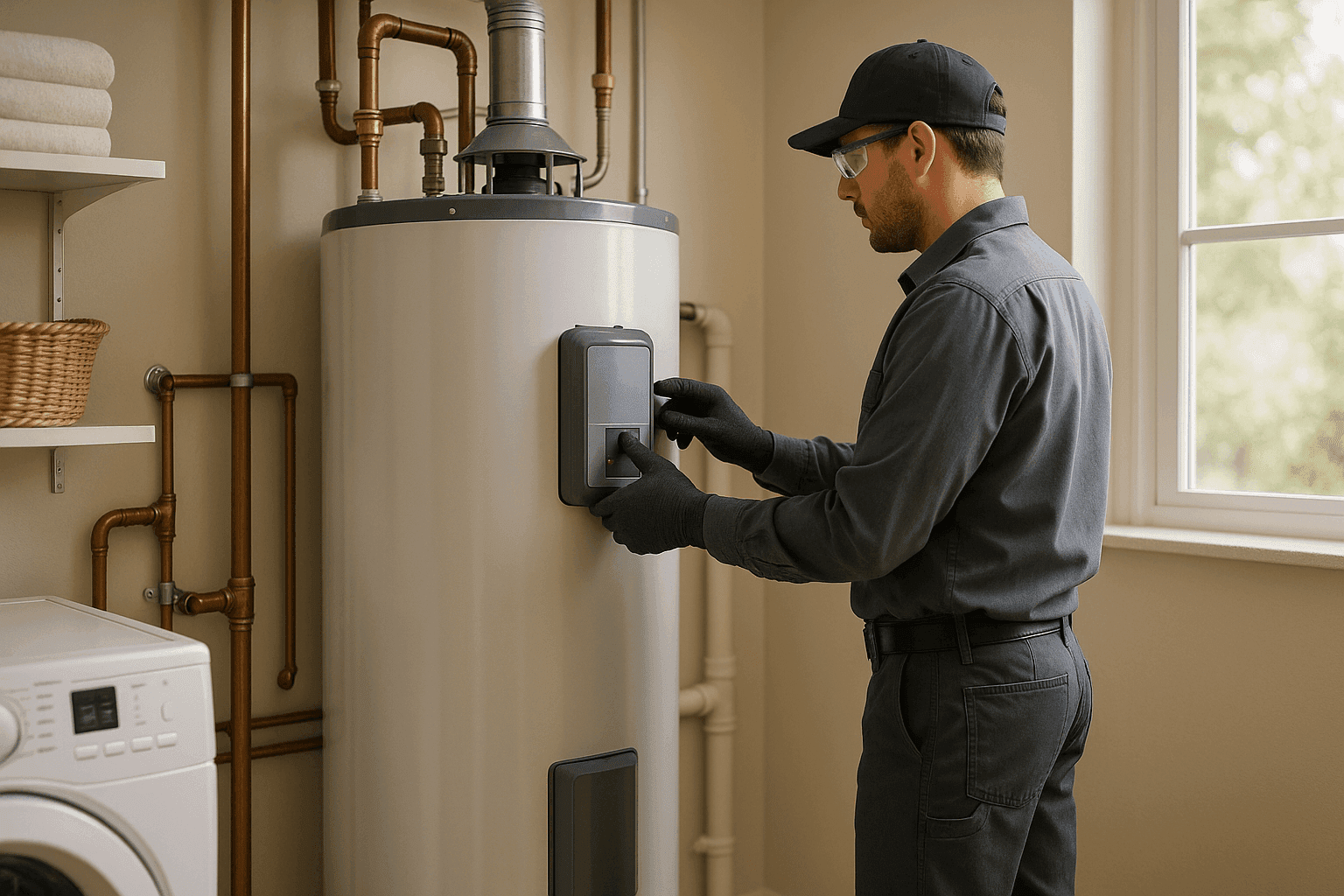
Waking up to a cold shower can ruin your morning. A leaking tank or strange noises from the utility closet can stir up real worry. At Fergusons Plumbing, we understand the stress water heater problems bring—especially when it’s urgent and you need emergency plumbing fast.
Our licensed technicians have seen it all. We’re here to help you spot the trouble, try safe fixes, and know when it’s time to call for help.
Types of Water Heaters 🔥
Not all water heaters are built the same. Like cars, each type has its own quirks and care needs.
- Tank Water Heaters: The classic, with a big cylinder that stores and heats water. Reliable, but can run out of hot water if you have a house full of guests.
- Tankless Water Heaters: Heat water on demand—no big tank needed. More efficient, but can be sensitive to mineral buildup.
- Gas Water Heaters: Use natural gas or propane. Quick to heat, and keep working during power cuts, but need safe venting.
- Electric Water Heaters: Plugged into your home’s electrical system. Lower upfront cost, but may cost more to run long-term.
Knowing your water heater type helps you spot symptoms and pick the right fix.
Common Issues & Symptoms
Water heaters rarely fail quietly. Some problems shout. Others whisper.
No Hot Water
- The shower goes cold. Tap water stays chilly. Could be a tripped breaker, blown fuse, broken pilot light, or failed heating element.
Leaking
- Puddles under the tank? Wet spots on the floor? Leaks could mean a loose connection, pressure relief valve issue, or a rusted tank.
Strange Noises
- Rumbling, popping, or banging. Like a kettle full of marbles. Usually sediment buildup at the bottom of the tank.
Pilot Light Problems
- Gas heaters can lose their pilot flame. Without it, the water won’t heat.
Other Warning Signs
- Discolored or rusty water
- Low hot water pressure
- Water that smells like rotten eggs
If you notice these, don’t ignore them. Some are quick fixes. Others need a pro.
DIY Checks vs. Professional Repairs 🛠️
Some water heater troubles are simple. Others are like an iceberg—what you see is just the tip.
What You Can Safely Check
- Thermostat Setting: Is it set between 120–140°F? (Per U.S. Department of Energy guidelines.)
- Breaker Panel: For electric heaters, check if the breaker is tripped.
- Pilot Light: For gas models, see if it’s lit. If out, follow the manufacturer’s relight instructions—carefully.
- Visible Leaks: Tighten any loose pipe fittings with moderate force.
What’s Best Left to Pros
- Sediment Flushing: Draining the tank to remove mineral buildup is messy and needs care to avoid scalds or flooding.
- Gas Safety: Any issues with gas lines or pilot assemblies should be inspected by licensed plumbers with gas safety training.
- Electrical Repairs: Anything involving wiring, elements, or controls puts you at risk of shock.
If you’re ever unsure, don’t risk it. Call Fergusons Plumbing for safe, reliable emergency plumbing help.
When to Repair or Replace
Sometimes, patching up an old water heater is like putting a bandage on a leaky bucket.
Signs It’s Time for Repair
- The issue is minor (thermostat, valve, or heating element)
- The tank is less than 8 years old
- No signs of rust or major leaks
When Replacement Makes Sense
- The unit is pushing 10+ years (per Energy Star recommendations)
- Repeated repairs in a short time
- Rusty water or tank corrosion
- Energy bills creeping up, even with regular use
A new water heater can save money long-term. Modern units are more efficient and reliable.
Safety Checklist for Homeowners 📝
Before you inspect your water heater, keep these safety steps in mind:
- Turn off power at the breaker (for electric units)
- Shut off the gas supply (for gas heaters)
- Let the water cool before touching any valves or draining
- Wear gloves and eye protection
- Never open panels or touch wiring unless you’re trained
If you smell gas, leave your home and call your utility provider or emergency services.
DIY vs. Call a Pro
Think of your water heater like the engine of your home’s hot water system. Some tune-ups are simple. Others need a mechanic.
DIY:
- Adjusting thermostat settings
- Relighting the pilot (if you’re comfortable and it’s safe)
- Checking for obvious leaks or drips
Call a Pro:
- Persistent leaks or rapid water loss
- Electrical issues (breaker trips, no power)
- Gas smells or pilot won’t stay lit
- Sediment flush (if you’re unsure how)
Fergusons Plumbing’s licensed team arrives ready, background-checked for your peace of mind, and always puts safety first.
What Pros Do On Arrival
When you call Fergusons Plumbing for emergency plumbing or water heater help, here’s what to expect:
- Inspection: We’ll check the heater, connections, and surrounding area for visible problems.
- Safety Check: Test for gas leaks, electrical hazards, or code violations (per International Plumbing Code and local safety ordinances).
- Diagnosis: Using tools like leak detectors and multimeters, we pinpoint the fault—no guesswork.
- Repair or Advice: Sometimes it’s a quick fix (replace a valve, tighten a fitting). Sometimes we’ll recommend replacement, with clear reasoning and no pressure.
- Cleanup: We respect your home—tools and any mess cleaned up before we leave.
Prevention & Maintenance Tips 🧰
A little care goes a long way. Just like brushing your teeth keeps cavities at bay, regular maintenance keeps your water heater running strong.
- Annual Tank Flush: Removes sediment and minerals. Extends heater life (see manufacturer guide).
- Check Anode Rod: Replace every 3–5 years to prevent tank rust.
- Test Pressure Relief Valve: Once a year, carefully lift the valve lever—should release a burst of hot water, then close tightly.
- Insulate Pipes: Especially in cold climates, to prevent heat loss and pipe bursts.
- Schedule Annual Plumbing Inspections: Trained eyes can spot trouble before it starts.
Costs & Time Factors
Every repair is different. Some are quick fixes. Others take longer.
- Simple repairs (thermostat, valve change): 30–90 minutes
- Sediment flush: 1–2 hours
- Major repairs (element replacement, leak fix): 1–3 hours
- New installation: 2–6 hours, depending on type and access
Costs vary with parts, labor, and your heater’s age. Investing in timely repairs can save bigger bills down the road.
When It’s an Emergency 🚨
Hot water gushing onto the floor? Smell of gas? These are urgent.
Emergency plumbing situations:
- Major leaks or flooding
- No hot water (in winter, with infants or elderly at home)
- Gas smells or carbon monoxide alarms
- Electrical burning odors
Don’t wait it out. Call Fergusons Plumbing right away. Your safety comes first.
FAQ: Common Water Heater Questions
Q: What’s the average lifespan of a water heater?
A: Most last 8–12 years. Tankless models can last up to 20 with proper care.
Q: Is brown or rusty water dangerous?
A: It can signal corrosion inside your tank or pipes. It’s not usually harmful, but it means your heater may need repair or replacement.
Q: Why does my heater make loud banging noises?
A: It’s likely sediment buildup. This reduces efficiency and can damage the tank over time.
Q: What temperature should my water heater be set to?
A: 120–140°F is recommended for safety and comfort.
Local & Seasonal Considerations
In colder months, water heaters work harder. Frozen pipes or increased demand can stress older units. If you live in an area with hard water, mineral buildup happens faster. Annual maintenance is especially important.
If you’re planning renovations or have a growing family, consider a larger or more efficient model. And always ensure your installation meets local building codes (check with your city’s building department or the International Plumbing Code).
When your water heater acts up, don’t let it turn into a bigger problem. For pipe installation near you, leak repair, or emergency plumbing, Fergusons Plumbing is here—day or night.
Call Fergusons Plumbing now — or reach us anytime at 844-493-8438 .